
The Role of Advanced Technology in Precision-Driven Investigative Services


The Evolution of Investigative Services
In recent years, the field of investigative services has undergone a remarkable transformation. Thanks to the integration of advanced technology, investigators are now equipped to perform their duties with unprecedented precision and efficiency. The use of cutting-edge tools and techniques has redefined the way investigations are conducted, ensuring more accurate and timely outcomes.

Enhancing Data Collection and Analysis
The advent of digital tools has revolutionized data collection in investigative services. Traditional methods of gathering information have been supplemented with digital footprints, social media analytics, and more. Investigators can now access a wider array of data sources, allowing them to build more comprehensive profiles and uncover hidden connections.
Data analysis has also seen significant improvements. Advanced algorithms and artificial intelligence can process vast amounts of information quickly, identifying patterns and trends that might be missed by human analysis alone. This means that investigators can focus more on drawing insights rather than sifting through data manually.
Surveillance and Monitoring Technologies
Surveillance technology has become more sophisticated, providing investigators with tools that enhance their monitoring capabilities. High-resolution cameras, drones, and GPS tracking devices offer real-time insights, allowing for more effective surveillance operations. These tools ensure that investigators can maintain a discreet presence while gathering the necessary information.
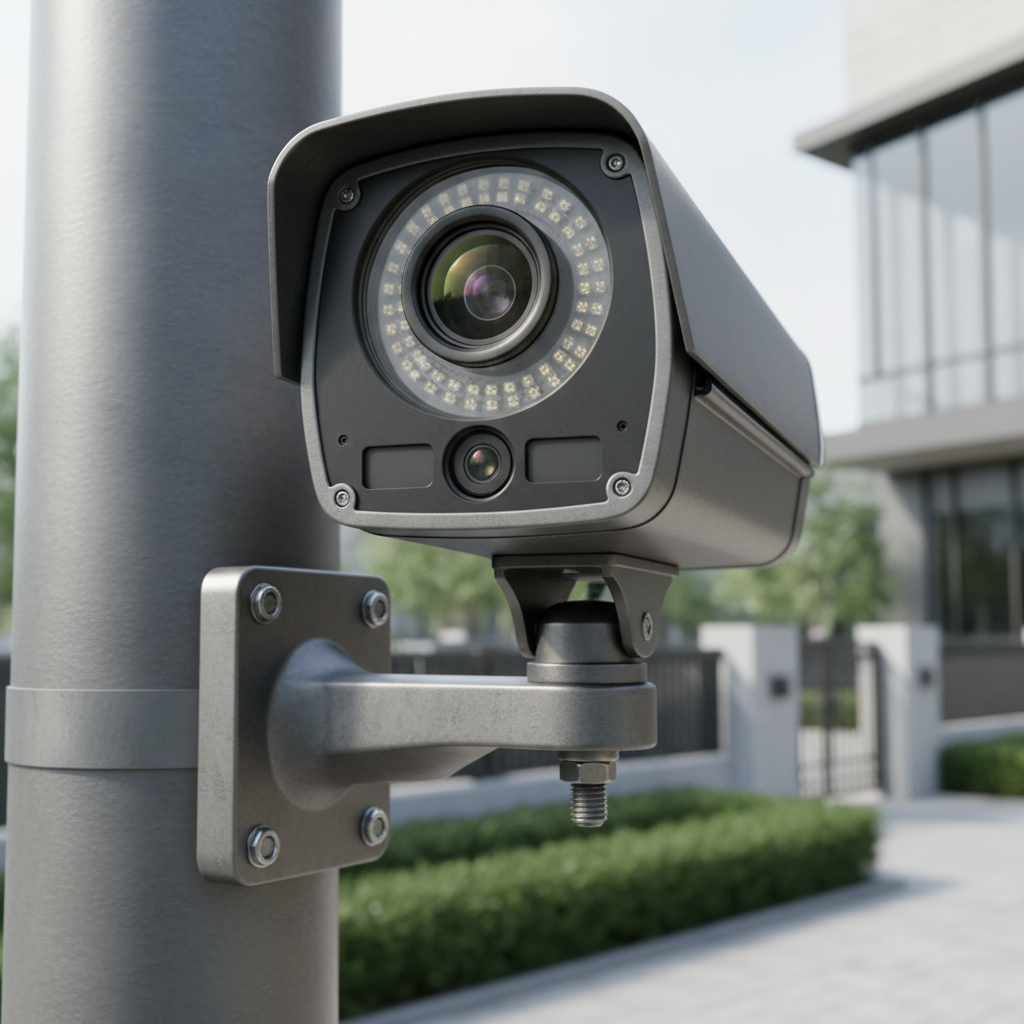
Moreover, advancements in audio monitoring have enabled more precise eavesdropping techniques, ensuring that investigators can capture clear and accurate audio evidence. These technologies have proven invaluable in both corporate and private investigations, ensuring that every detail is captured and analyzed.
Cybersecurity and Digital Forensics
With the rise of digital crime, cybersecurity has become a crucial component of investigative services. Investigators are now required to possess skills in digital forensics to track cyber criminals and secure digital evidence. This includes recovering deleted files, tracing IP addresses, and understanding complex cyber infrastructures.
Digital forensics tools allow investigators to decrypt data and recover crucial evidence from electronic devices. This capability is essential in cases involving financial fraud, identity theft, and other cyber-related crimes.

Benefits of Precision-Driven Investigative Services
The integration of advanced technology in investigative services offers numerous benefits. Firstly, it enhances the accuracy of investigations, ensuring that findings are reliable and evidence-based. Secondly, it increases the speed of investigations, enabling quicker resolutions to complex cases.
Furthermore, precision-driven investigative services can significantly reduce costs. By streamlining processes and improving efficiency, investigative agencies can offer their services at more competitive rates, benefiting clients seeking solutions to their problems.
The Future of Investigative Technology
As technology continues to advance, the potential for further innovation in investigative services is immense. Emerging technologies such as machine learning, blockchain, and the Internet of Things (IoT) promise to bring even more precision and efficiency to the field.
Investigative professionals must stay abreast of these developments to maintain their competitive edge. Continuous learning and adaptation are key to leveraging new technologies effectively, ensuring that investigative services remain at the forefront of innovation.

In conclusion, advanced technology plays a pivotal role in shaping the future of precision-driven investigative services. By embracing these innovations, investigators can provide more accurate, efficient, and cost-effective services, ultimately delivering better outcomes for their clients.